Struggling to find the perfect formal shirt? You’re not alone. The difference between a shirt you tolerate and one you trust comes down to a handful of decisions: fit, fabric, collar, cuff, and color. This guide breaks down formal shirts with practical, expert advice so you can buy confidently and look sharp in every setting.
What Makes a Shirt Formal?
Before you browse racks of mens formal shirts, define the target. The most reliable formal shirts for men share a few non-negotiables.
- Collar: Structured, stays upright, frames a tie. Classic options include spread, semi-spread, and point. Button-down collars are more business-casual than formal.
- Cuffs: Barrel cuffs for the office and daily suiting; French cuffs for black tie or elevated occasions with cufflinks.
- Placket: Standard placket for most office wear; French front (no visible stitching) reads cleaner and more formal; tuxedo pleats or pique bib for black tie.
- Fabric: Smooth, tightly woven cotton weaves like poplin or twill. Minimal texture looks dressier.
- Hem: Curved and long enough to stay tucked throughout the day.
- Palette: White and light blue dominate formal rotation; subtle stripes or micro-checks add variety while staying professional.
If you remember nothing else, remember this: a formal dress shirt should look crisp at the collar and cuffs, sit clean through the torso, and stay tucked without constant adjusting. These are the formal shirt clothes details that separate average from exceptional.
Fit First: Your Blueprint
Most “bad shirt days” are fit issues. Use this 60-second checklist.
- Neck: Button the top button. You should fit one finger comfortably between collar and neck.
- Shoulders: Seams should sit exactly at the edge of your shoulders, not slope down your arm.
- Chest: Smooth across the chest without pulling at the buttons when you move.
- Waist: Lightly tapered. You should not feel squeezed when seated. If you must choose, prioritize clean shoulders and chest, then tailor the waist.
- Sleeve Length: Cuffs should hit where your wrist meets your hand. With a jacket on, 0.25–0.5 inches of cuff should show.
- Armhole and Mobility: Raise your arms forward. The shirt should move with you without ballooning or untucking.
Pro tip: Fit trumps size labels. Two “mediums” can fit differently across brands. If you’re between sizes, buy for the shoulders and tailor the body.
Fabric That Works From 9 a.m. to Late Dinner
The right fabric balances structure, breathability, and wrinkle resistance.
- Poplin/Broadcloth: Smooth, lightweight, and crisp. Ideal for a clean, formal look.
- Twill: Slight diagonal texture, more opaque, often drapes better and resists wrinkles.
- Pinpoint Oxford: Finer than standard Oxford; works for business-casual suiting, slightly less formal than poplin.
- Dobby/Herringbone: Subtle texture that reads refined without stealing attention.
- Stretch Blends: A touch of elastane or performance fibers improves mobility and comfort without losing polish when executed well.
Thread count is less important than weave quality and finishing. High-quality yarns and a refined weave matter far more than any single number.
Collars and Cuffs: Small Pieces, Big Impact
Your collar is the frame of your face and tie. Choose based on your tie knot, jacket lapel, and face shape.
- Spread and Semi-Spread: Versatile, works with small to medium tie knots. A go-to for most professionals.
- Point: Slimmer look, lengthens the face visually, classic for conservative offices.
- Cutaway: Bold and modern, best with medium to larger tie knots and wider lapels.
- Button-Down: Not typically a formal attire shirt, but smart-casual friendly under unstructured blazers.
Cuffs signal formality:
- Barrel: Practical and sharp for daily business.
- French: Double cuffs for cufflinks. Ideal for events, black tie, and when you want extra polish.
Collar structure matters. If your collar folds or collapses, the entire look softens. Premium options with internal reinforcement keep edges crisp. Brands like Collars & Crown design collars that hold shape, so your tie sits perfectly every time. Consider a performance option like the Performance Dress Shirt if you need office polish with all-day comfort.
Color and Pattern Strategy
Build a rotation that covers interviews, boardrooms, client dinners, and weddings.
Start with:
- White poplin or twill
- Light blue poplin or twill
- Subtle blue or grey stripe
- White with subtle texture (herringbone or dobby)
- Pale pink or lavender for quiet variation
Guidelines:
- The more contrast and boldness in a pattern, the more casual it appears.
- Reserve statement prints for business-casual, not high-stakes formal moments.
- For black tie, wear a tuxedo shirt in white with a wingtip or turndown collar, French cuffs, and a bib front.
How to Size Formal Shirts Correctly
Because mens formal shirts follow different cuts across brands, use this quick sizing flow:
- Slim Build: Look for “tailored” or “slim” with darts in the back. Ensure no pulling at the buttons when seated.
- Athletic Build: Seek a “tailored athletic” cut with room in the chest and taper at the waist.
- Broad Shoulders: Prioritize shoulder fit. Buy up one size if needed and alter the sides and sleeves.
- Longer Torso: Choose “tall” or shirts with an extra inch in body length to prevent untucking.
- Shorter Torso: Standard length can be tailored to reduce bunching at the waist.
If you wear a tie most days, fit the neck and collar height precisely. If you rarely wear a tie, prioritize how the collar sits open under a blazer.
Tucking, Length, and Proportions
A formal shirt should stay put through a commute, meetings, and dinner.
- Body Length: Aim for coverage to mid-seat or slightly longer. Too short equals constant retucks.
- Hem Shape: A classic curved hem tucks cleaner than a straight hem.
- Placket Alignment: The center placket should align perfectly with your belt buckle and jacket button stance.
- Tie Width and Lapels: Keep tie width proportional to jacket lapels for balance.
Performance and Travel: Modern Formal Shirts
Today’s professionals need shirts that move, breathe, and resist wrinkles without looking synthetic.
- Look for moisture-wicking, quick-drying finishes, and a clean matte surface that mimics premium cotton.
- A slight stretch improves comfort for travel and long desk hours.
- Anti-odor technology helps on packed schedules.
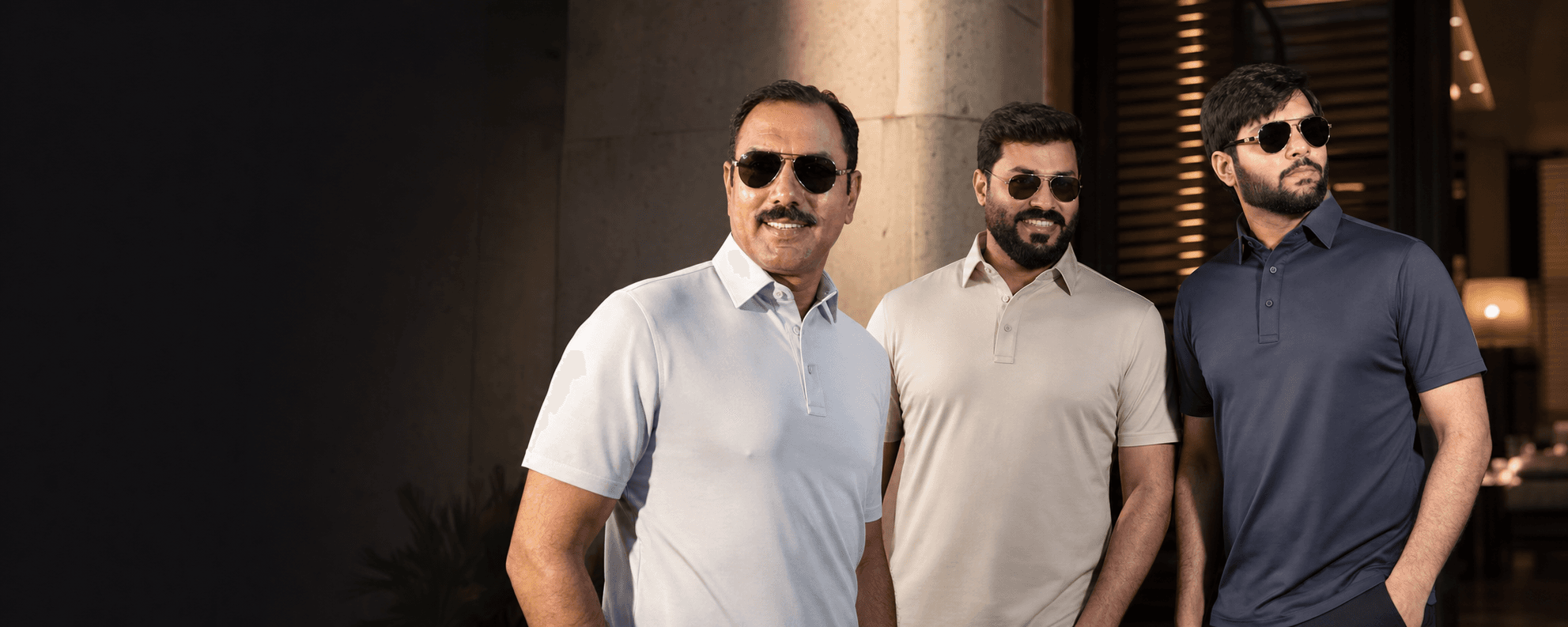
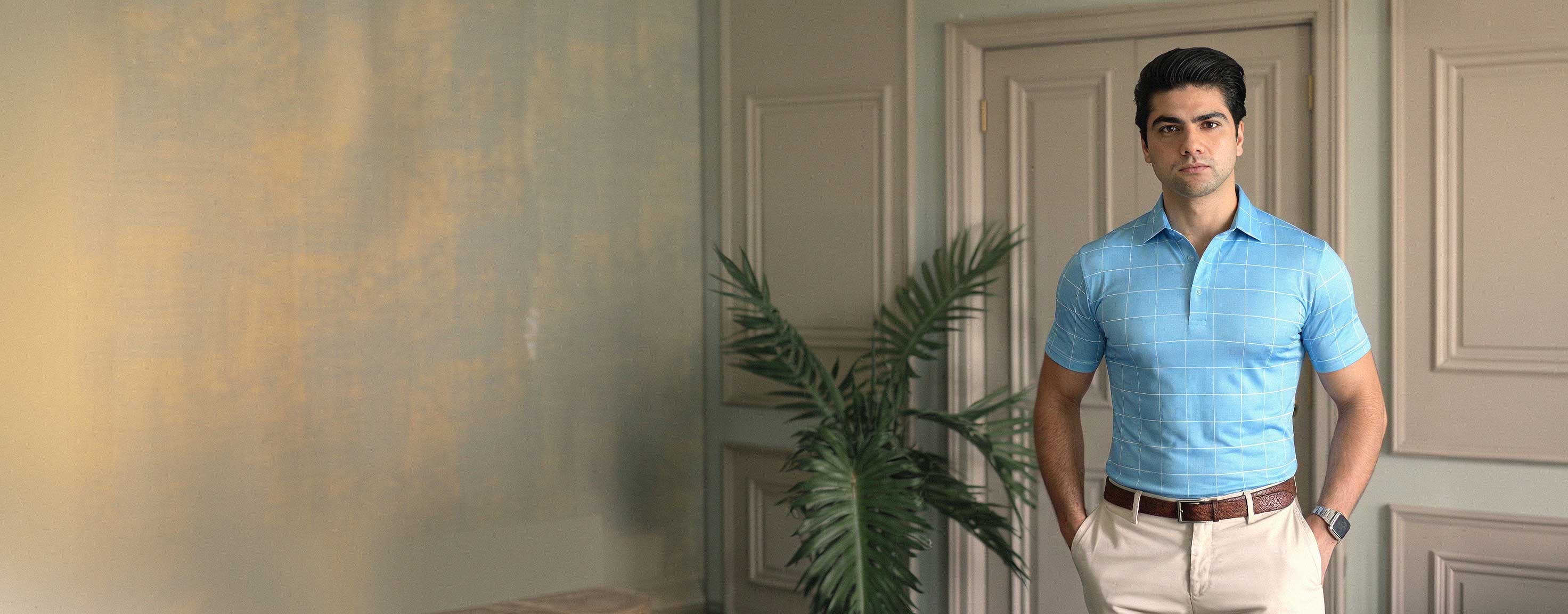
If your office leans business-casual, a structured-collar knit can deliver the same sharp neckline as a woven shirt with polo-level comfort. Try a refined option like a Structured Collar Polo under a blazer for flights, desk days, and smart-casual meetings.
A 30-Second Store Test
Make smarter decisions in the fitting room.
- Button to the top and turn your head. No pinching or gaping at the neck.
- Cross your arms and reach forward. The back should not strain at the yoke.
- Sit down. No button pull at the belly; the shirt should not spring from the waistband.
- Check sleeve pitch. Wrinkles should fall naturally; severe twisting means poor alignment.
- Try with a tie. Your knot should sit snugly with no collar roll or collapse.
- Look in daylight if possible. Ensure opacity, especially with white shirts.
Care That Preserves the Finish
Good shirts last when you treat them right.
- Launder cool with gentle detergent. Avoid heavy fabric softeners on performance fabrics.
- Hang dry on wide hangers to protect the shoulders. Light steam or iron on appropriate heat.
- Button the top two buttons on the hanger to help the placket dry flat.
- Use collar stays where applicable and remove before washing.
- Rotate your shirts. Regular rest extends fabric life and prevents early wear.
Outfit Formulas That Always Work
- Interview Ready: White poplin formal shirt, navy suit, conservative tie, black oxfords.
- Boardroom Confident: Light blue twill, charcoal suit, burgundy or navy tie, black or dark brown oxfords.
- Client Lunch: White or pale stripe, mid-grey suit, textured tie, brown derbies.
- Evening Event: White herringbone, midnight suit, dark silk tie, black wholecuts.
- Business-Casual Friday: Light blue pinpoint with no tie, navy blazer, dark chinos or tailored trousers, loafers. If your dress code allows, swap the woven shirt for a structured-collar knit.
Common Mistakes to Avoid
- Collars that collapse or curl, especially with ties.
- Too-short sleeves or body length that untucks.
- High-contrast, loud patterns in conservative settings.
- See-through white fabrics with visible undershirts. Use a lightweight, skin-tone undershirt if needed.
- Excessive stretch sheen or shiny finishes that look synthetic in bright light.
Building a Smart Rotation
For most professionals:
- 2 white, 2 light blue, 1 subtle stripe, 1 tasteful texture.
- Add a tuxedo shirt for formal events if needed.
- Replace one-for-one when a shirt shows wear at the collar tips or cuff edges.
This mix covers interviews, daily office wear, travel, speaking engagements, and evening dinners without thought or stress.
A great formal shirt does three things: fits impeccably, holds structure at the collar and cuffs, and uses the right fabric for your schedule. Nail those, and the rest becomes effortless.
About Collars & Crown
Collars & Crown crafts premium smart-casual essentials with a professional edge. Known for structured collars that hold their shape and breathable, performance-grade fabrics, the brand delivers a dress-shirt look with exceptional comfort. Pieces transition seamlessly from office to travel and weekend plans while maintaining a sharp, modern silhouette.