If your favorite checked shirt looks washed out after a few spins, you are not alone. Many budget check shirts fade quickly because of weak dyes, poor fabric, and careless finishing. The good news is you can prevent fade with smarter buying and better care, and still enjoy the sharp, versatile look of a blue check shirt at work or on weekends.
Why checked shirts fade faster than you think
A check pattern should stay crisp and contrasty. When it doesn’t, a few culprits are usually to blame:
- Printed vs yarn-dyed: Many inexpensive shirts use pigment prints laid on top of the fabric. Prints crack, wash out, and bleed into white squares. Yarn-dyed checks color the threads before weaving, which keeps color richer and more even.
- Low-grade dyes: Direct dyes are cheaper and less colorfast than reactive or vat dyes. They lose intensity quickly and transfer to lighter colors.
- Blended yarns: Cotton-poly blends can pill and look dull, especially when polyester fibers hold onto grime that detergents don’t fully remove.
- Rough finishing: Heavy resins and low-cost softeners can make early washes harsh on color. Poor fixation of dye sets you up for rapid fade and bleeding.
- Hard washing habits: Hot water, strong alkalinity, overloading, and high spin speeds strip color faster than anything.
How to buy a checked shirt that keeps its color
Start with better ingredients and you will notice the difference after the tenth wash, not just the first wear.
Fabric and dye quality to look for
- Yarn-dyed construction: Ensure the product page says “yarn-dyed.” This is the single strongest predictor of lasting color in checked shirts.
- Long-staple cotton: Pima, Egyptian, or clearly stated long-staple cotton resists pilling, looks cleaner, and accepts dye more evenly.
- Mercerized cotton: Mercerization tightens fibers for higher luster and improved dye uptake, which slows fade.
- Two-ply yarns: 2-ply yarns are stronger and reduce fuzziness that makes colors look dull.
- Dyes and certification: Look for mentions of reactive or vat dyes and credible standards like OEKO-TEX. Avoid vague lines like “rich color finish” without specifics.
Weave, pattern, and color choices
- Tight, smooth weaves: Poplin and pinpoint hold prints and yarn-dyed color crisply. Brushed twills and flannels fade softly by design, which is great for casual but not for a sharp office look.
- Smarter contrast: High-contrast gingham and tattersall read sharp when new but reveal fade faster if dyes are weak. Slightly muted or melange tones age more gracefully.
- Blue queues: Indigo-heavy blues fade prettier but faster. If you want a long-lasting blue check shirt for work, favor reactive-dyed blues rather than indigo-look prints.
Build quality signals
- Clean seams and tight stitching: Fewer snags in the wash and less surface abrasion mean less visible dulling.
- Proper collar and cuff structure: Keeps the shirt looking newer even as color slowly softens. A wrinkled collar makes even bright checks look tired.
- Transparent product pages: Serious makers tell you the weave, yarn type, and dye method. If a listing only says “male check shirt” or “check check shirt,” treat the lack of detail as a red flag.
Smart laundering that protects checks
Care matters as much as the cloth. Use this routine to slow fade and keep whites in the pattern white.
- First wash solo: Wash the shirt alone or with similarly colored checks to catch early excess dye.
- Cold water, gentle cycle: Heat accelerates dye loss. Choose a short, low-agitation cycle.
- Turn inside out: Reduces friction on the face of the checks.
- Use liquid detergent for colors: Avoid powders with optical brighteners on dark or medium checks. Brighteners can haze dark colors.
- Go light on detergent: Overdosing leaves residue that dulls fabric.
- Add a color catcher sheet: Traps stray dye so it does not land on the white portions of your shirt with checks.
- Skip chlorine bleach: Use oxygen bleach sparingly and only on white-heavy checks.
- Low spin, air dry: High RPMs rough up fabric. Hang dry or lay flat to preserve color and shape. Steam to finish.
Pro tip: If your laundry uses hard water, a water softener or detergent booster improves rinsing and keeps colors cleaner.
Styling a checked shirt for modern work and weekends
A check shirt can be polished or relaxed depending on scale, color, and pairing.
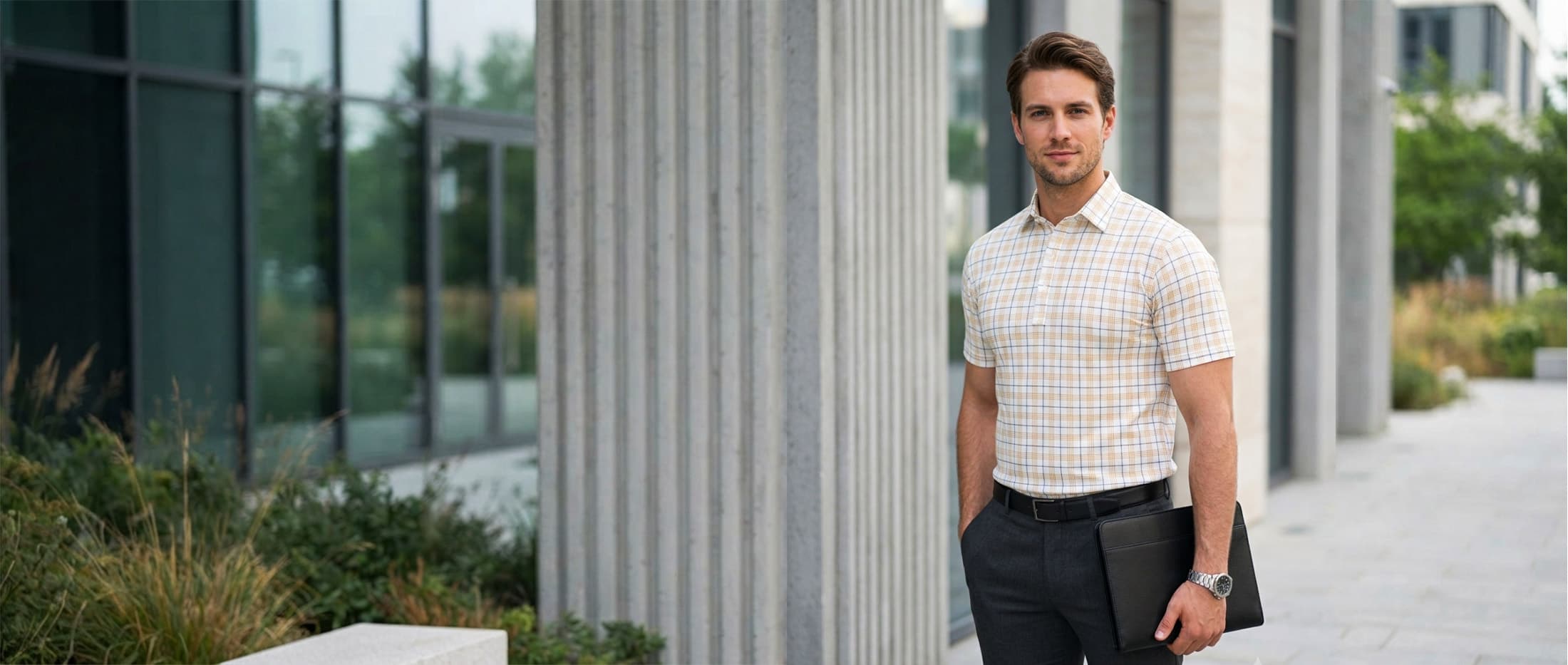
- Office-friendly checks: Small-scale gingham, micro-check, or tattersall in navy, grey, or burgundy. Tuck into tailored chinos or wool trousers. Add a knit blazer for lift.
- Smart-casual rotation: Mid-scale blue check shirt with dark denim or tech chinos. Minimal sneakers or loafers keep it modern.
- Pattern mixing: Pair checks with solid ties or subtle textures. If you wear a patterned tie, keep the scale different from the shirt.
- Layering: A merino crew or lightweight overshirt tones down high-contrast checks while adding depth.
- Marketplace labeling: You may see listings labeled “shirts blue check” or “check shirts.” Always scan details beyond the title for weave and dye information before you buy.
When a polo beats a check
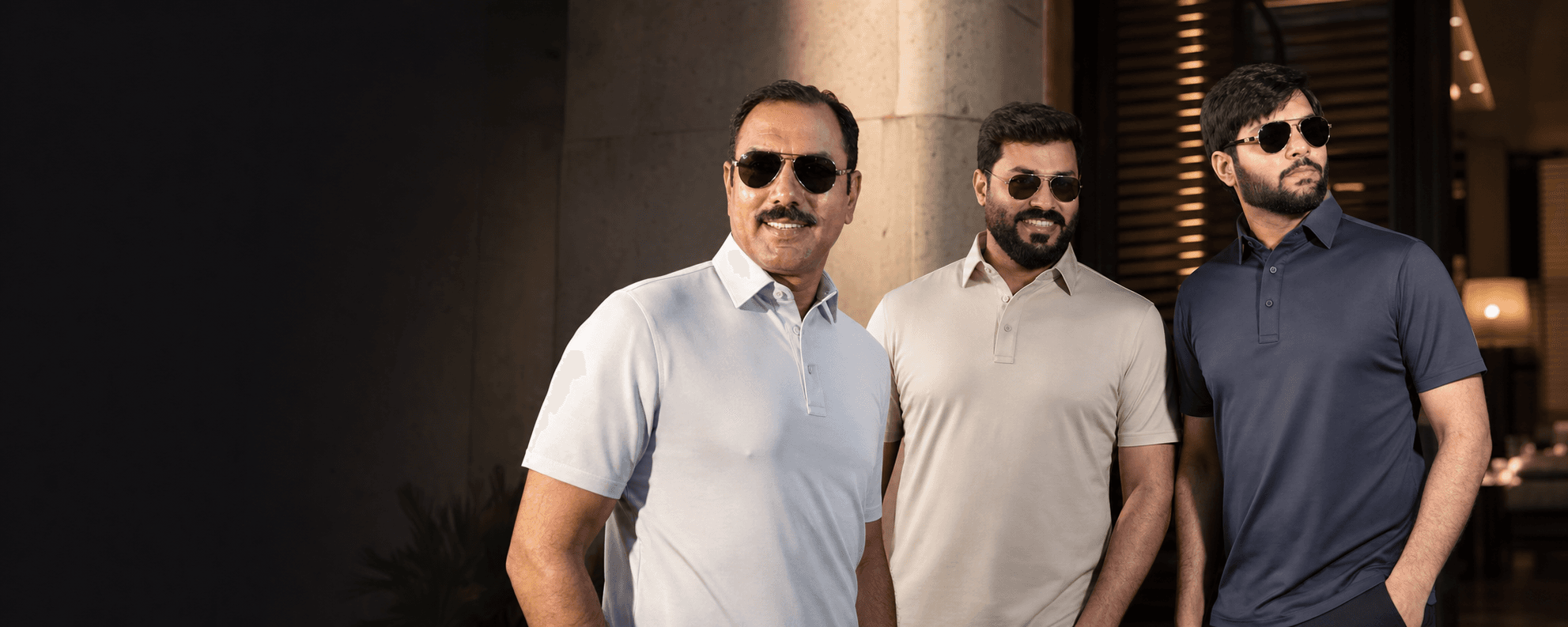
If your office leans business-casual, a structured-collar polo can deliver the same polish as a small-check button-down with even less maintenance. Look for polos with collars that hold shape and fabrics that resist fading.
- For days you want dress-shirt sharpness with knit comfort, try Collars & Crown’s structured collar polo shirts.
- If you prefer a woven shirt that resists both fade and collar slump, explore Collars & Crown performance dress shirts designed to retain color and stay crisp through travel and long days.
Quick troubleshooting for color emergencies
- Bleeding into white squares: Rewash immediately in cold with a color catcher. If dye persistently transfers, use a commercial dye fixative following the instructions exactly.
- Overall fade after a few washes: Switch to cold, reduce detergent, and add a fabric conditioner occasionally to reduce friction. Steam rather than iron on high heat.
- Dullness from residue: Run a warm rinse cycle with no detergent, then wash normally on cold. Residue can mimic fade.
- Whites gone grey: Use oxygen bleach on a cold soak, not chlorine. Rinse well to prevent shadowing.
Quality checklist before you buy checked shirts online
Use these quick filters to separate keepers from fast-faders:
- Says yarn-dyed, not just “printed check”
- 100 percent long-staple or mercerized cotton
- Mentions reactive or vat dyes, with colorfastness claims
- Tight weave like poplin or pinpoint if you want crispness
- Clear close-up photos of the fabric and stitching
- Care guide that recommends cold wash and no bleach
- Honest product copy with fabric origin and weave details, not only buzzwords like “check shirt” or “shirt with checks”
A short primer on check types
Knowing your checks helps you choose the right vibe and longevity.
- Gingham: Even checks, usually two colors. Clean and classic for business-casual.
- Tattersall: Thin colored lines crossing on a light ground. Subtle and tie-friendly.
- Graph check: Very fine grid. Reads almost solid from a distance.
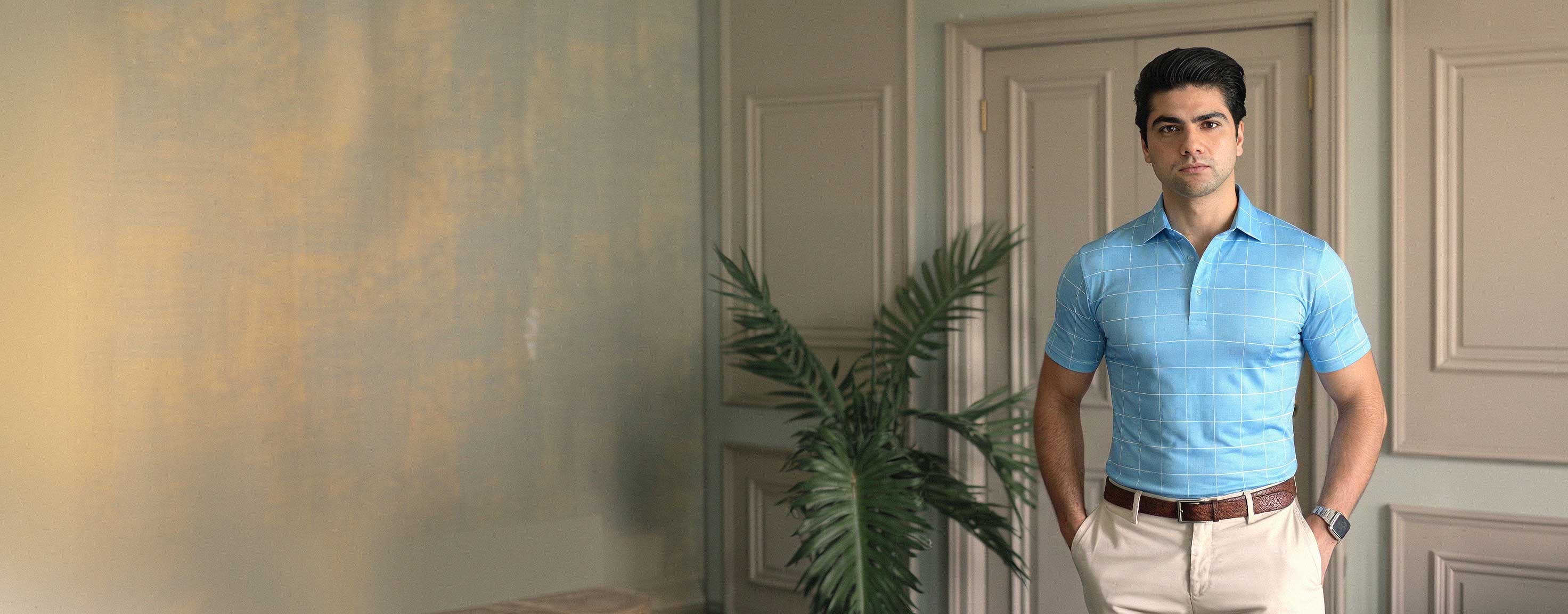
- Windowpane: Wide spacing. Bold, better under tailored layers.
- Buffalo check: Large scale, typically flannel. Expect softer fade and casual energy.
Choose smaller-scale checks for formal settings and larger scales for relaxed days. If you dress in conservative offices often, rotate a micro-check with solids to extend the life of each piece.
The honest truth about price vs performance
You do not need the most expensive label to avoid fade, but there is a floor for quality. Yarn-dyed long-staple cotton, solid stitching, and reactive dyes cost more than printed shortcuts. If a check shirt is dramatically cheaper than peers, you are likely paying with color longevity. Spending slightly more for the right build saves money over time.
A reliable checked shirt should look nearly new after ten washes, not two. When in doubt, buy once, care right, and rotate intelligently.
About Collars & Crown:
Collars & Crown designs premium smart-casual essentials for modern professionals. Our signature structured collars stay crisp, while breathable, colorfast fabrics deliver all-day comfort. From performance dress shirts to elevated polos, each piece is built for travel, office, and after-hours with a clean, modern silhouette.