A great white shirt is the cornerstone of a polished wardrobe, yet most men struggle to choose one that actually looks sharp after a full day. This guide breaks down formal shirts in plain language so you can buy with confidence. We will cover fabric, fit, collar structure, opacity, and the styling moves that separate an average formal dress shirt from a dependable, promotion-ready staple.
What makes a white formal shirt great?
Think of the white shirt as equipment. When the details are right, your suit sits better, your tie knot looks intentional, and you feel composed. Focus on these components:
- Fabric and weave: poplin, twill, pinpoint, or performance blends.
- Opacity: the difference between crisp and see-through.
- Collar structure: the frame for your face and tie.
- Fit and mobility: clean lines without restricting movement.
- Construction: seam density, buttons, and interlinings that hold shape.
How to assess formal shirts: the 7-point checklist
Use this quick diagnostic when comparing options online or in-store.
- Fit that follows your frame
- Shoulders: Seams should align with the edge of your shoulders.
- Chest and waist: Minimal pull lines. You should be able to pinch 1–2 cm of fabric at the waist.
- Sleeve length: Cuffs meet the wrist bone with 1 cm peeking under a jacket.
2. Fabric that suits the occasion
- Poplin/broadcloth: Smooth, crisp, very dressy. Best with suits and ties.
- Twill: Slight diagonal texture, drapes beautifully, resists wrinkles better.
- Pinpoint Oxford: More texture, subtle sheen, ideal for business-casual.
- Performance blends: Stretch and moisture control for long commutes and travel days.
3. Collar that stays sharp
- Semi-spread or spread works with and without a tie.
- Look for quality interlining so the collar stands cleanly.
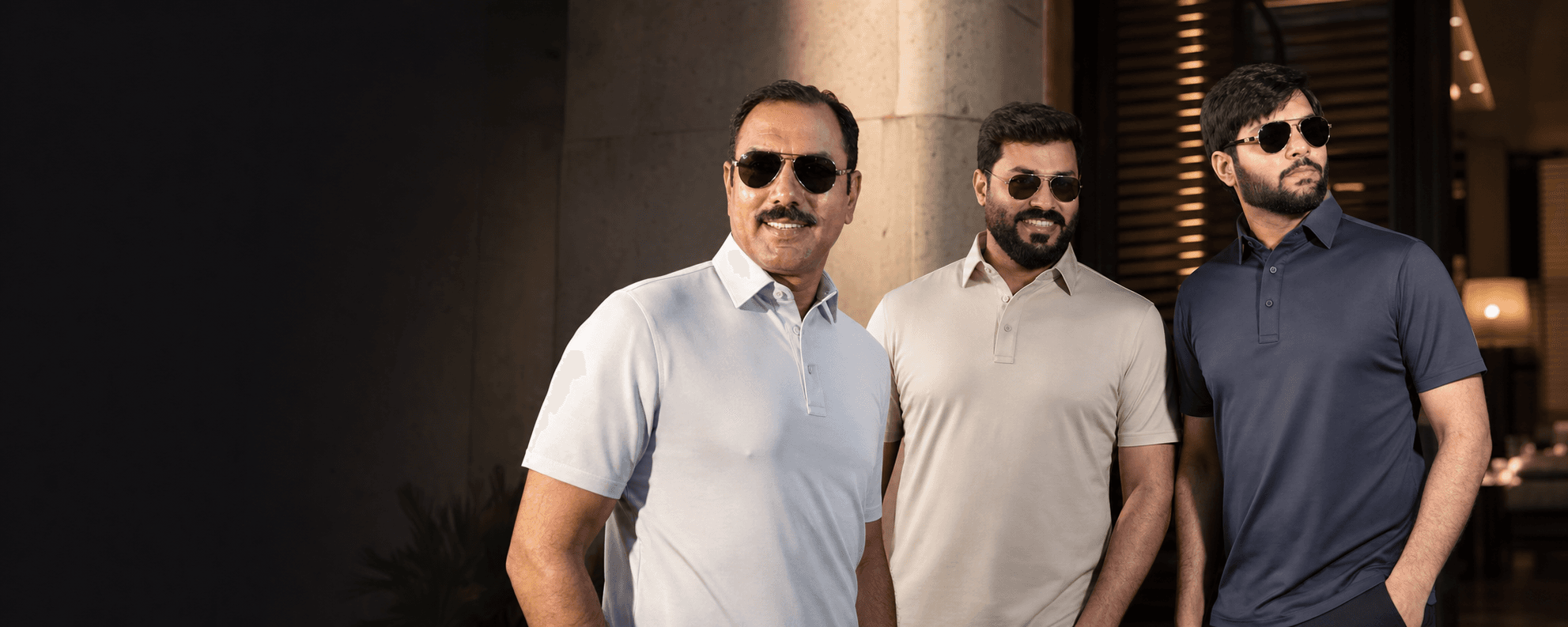
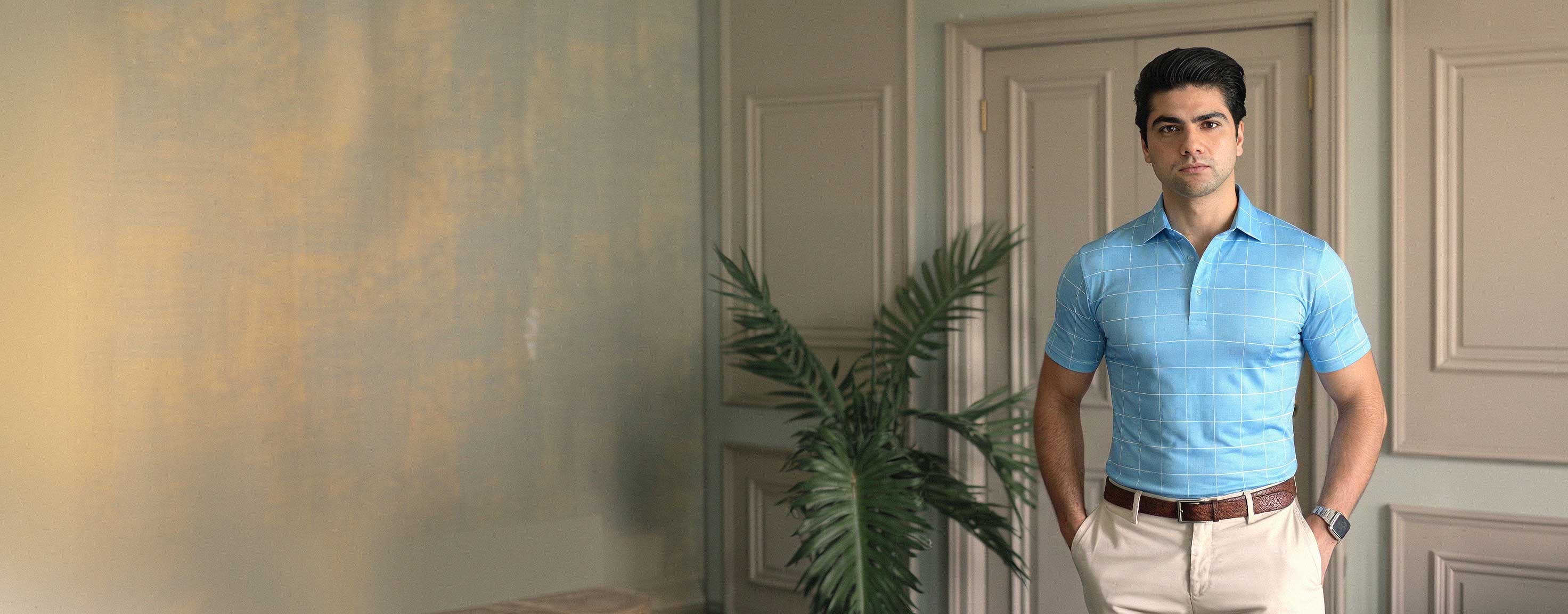
- If you prefer business-casual comfort with a crisp collar, consider a structured-collar polo option that reads formal in white. See a structured collar polo in white from Collars & Crown : structured collar polo in white.
4. Opacity and weight that prevent show-through
- Choose mid-weight fabrics with tight weaves.
- Two-ply yarns often improve coverage and drape.
- Test by placing your hand behind the fabric. If you clearly see your skin tone, the shirt may read too sheer in daylight or office lighting.
5. Cuffs that complement your routine
- Button cuffs for versatility and easy office wear.
- French cuffs for black tie, board meetings, and ceremonial events.
6. Buttons and stitching that endure
- Thick buttons with clean, tight stitching.
- High stitch density along seams to reduce puckering and maintain a tailored look.
7. A back yoke and darts that shape, not squeeze
- Split yokes can improve shoulder mobility.
- Back darts give a trim silhouette without turning the shirt into a second skin.
Fabric explained: poplin vs twill vs pinpoint vs performance
- Poplin: Sleek and formal with a matte finish. Excellent under structured tailoring and for tie-heavy dress codes.
- Twill: Slight sheen, great drape, hides creases better than poplin. Perfect for long days and travel.
- Pinpoint: Slightly more texture than poplin, sits between casual and formal. Good for offices with relaxed dress codes.
- Performance blends: Combine cotton with stretch or technical fibers for breathability, all-day comfort, and easy care. Modern mens formal shirts increasingly use discreet stretch so you never feel restricted during presentations or flights.
Tip: If you wear white shirts several times a week, build a rotation of two fabrics. For example, poplin for key meetings and twill for everyday resilience.
Collar choices for real life
- Semi-spread: Adaptable with most tie widths and open-collar looks.
- Spread: Great with broader tie knots, adds presence to narrower faces.
- Point: Traditional, sharp, and slightly more conservative.
- Cutaway: Bold, modern, and best with a jacket.
Collar performance is not just about style names. The interlining and construction determine whether the collar collapses by noon. If your office leans smart-casual but you want a dress-shirt visual, consider a structured-collar polo that resists curling and holds a crisp line at the neck. Collars & Crown is known for collars that stay put; explore the brand and philosophy here : Collars & Crown.
Nail the right shade and opacity
- Bright white vs off-white: Bright white is the most formal and pairs best with navy or charcoal suits. Off-white and soft ivory flatter deeper or warmer complexions and can be easier to style in business-casual offices.
- Opacity: Look for mid-weight twill or pinpoint if you dislike undershirts. If you wear one, choose a close-to-skin-tone undershirt to avoid contrast lines showing through.
Fit that flatters your build
- Lean or athletic: A tailored or slim cut with small allowances in the chest and upper back. Consider light stretch blends for comfort.
- Broader or muscular: A modern-regular cut with strategic back darts to remove excess without straining buttons.
- Tall: Longer sleeve and body length options, with well-positioned armholes to prevent billowing.
- Shorter torsos: Slightly higher armholes and shorter body length to avoid bunching at the waist.
Final fit test: Cross your arms fully. If the shirt pulls hard across the upper back or sleeves, size up or look for a pattern with more mobility.
Buttons, plackets, and small details that matter
- Mother-of-pearl or high-quality resin buttons lift the overall look.
- A clean front placket offers subtle structure. A French front (no visible placket) looks the sleekest under suits.
- Removable collar stays keep points clean. Metal stays are precise, but plastic is travel-friendly.
Styling a white formal dress shirt across the week
- Boardroom days: Navy or charcoal suit, semi-spread collar, conservative silk tie, black or dark brown cap-toe oxfords.
- Business-casual: Untied with a semi-spread collar, navy blazer, tailored chinos, suede loafers.
- Travel days: Twill or performance blend with stretch, unstructured blazer, minimal-crease trousers, slip-on shoes at security.
- Evening events: French cuffs with simple links, black suit, polished oxfords.
- Smart weekend: Pinpoint with dark denim, minimalist sneakers, a lightweight knit over the shoulders.
If your office is easing away from strict ties, a white structured-collar polo that reads refined under blazers can seamlessly replace a shirt on some days while keeping you within formal shirt clothes territory.
Care that keeps white bright
Crisp white is non-negotiable. A simple, consistent routine extends life and color clarity:
- Pre-treat collars and cuffs.
- Wash with like colors in cool to warm water.
- Use a quality detergent and avoid chlorine bleach for routine loads.
- Air dry partially, then finish with a warm iron for a smooth finish.
For deeper techniques and stain fixes, see this focused resource from Collars & Crown : white formal shirt care guide.
Buying tips if you shop online
- Read the size chart and match your neck, sleeve, and chest measurements.
- Zoom into collar and cuff photos to evaluate structure.
- Scan fabric composition for cotton-stretch blends if you move all day.
- Check return policies before buying multiple sizes.
Online retailers use a mix of labels and categories. If you are sorting through filters, search terms like formal shirts for men, formal shirt, mens formal shirts, formal dress shirt, and even retailer-specific tags such as formal shirt clothes, shirt formal shirt, or shirt formal for men can point you to the right aisle. Use them to refine results, then apply the 7-point checklist above to choose the best piece.
Quick reference: best-in-class features
- Fabric: Mid-weight twill or premium poplin for suiting.
- Collar: Semi-spread with sturdy interlining and quality stays.
- Fit: Trim through the waist with freedom across the upper back.
- Opacity: Solid coverage without a heavy, stiff hand.
- Details: High-grade buttons, neat stitching, removable stays.
A white shirt you trust should feel like a tool you reach for without second-guessing. Invest in the build, and it will pay you back every time you suit up.